Emergency Plumbing · Irving, TX
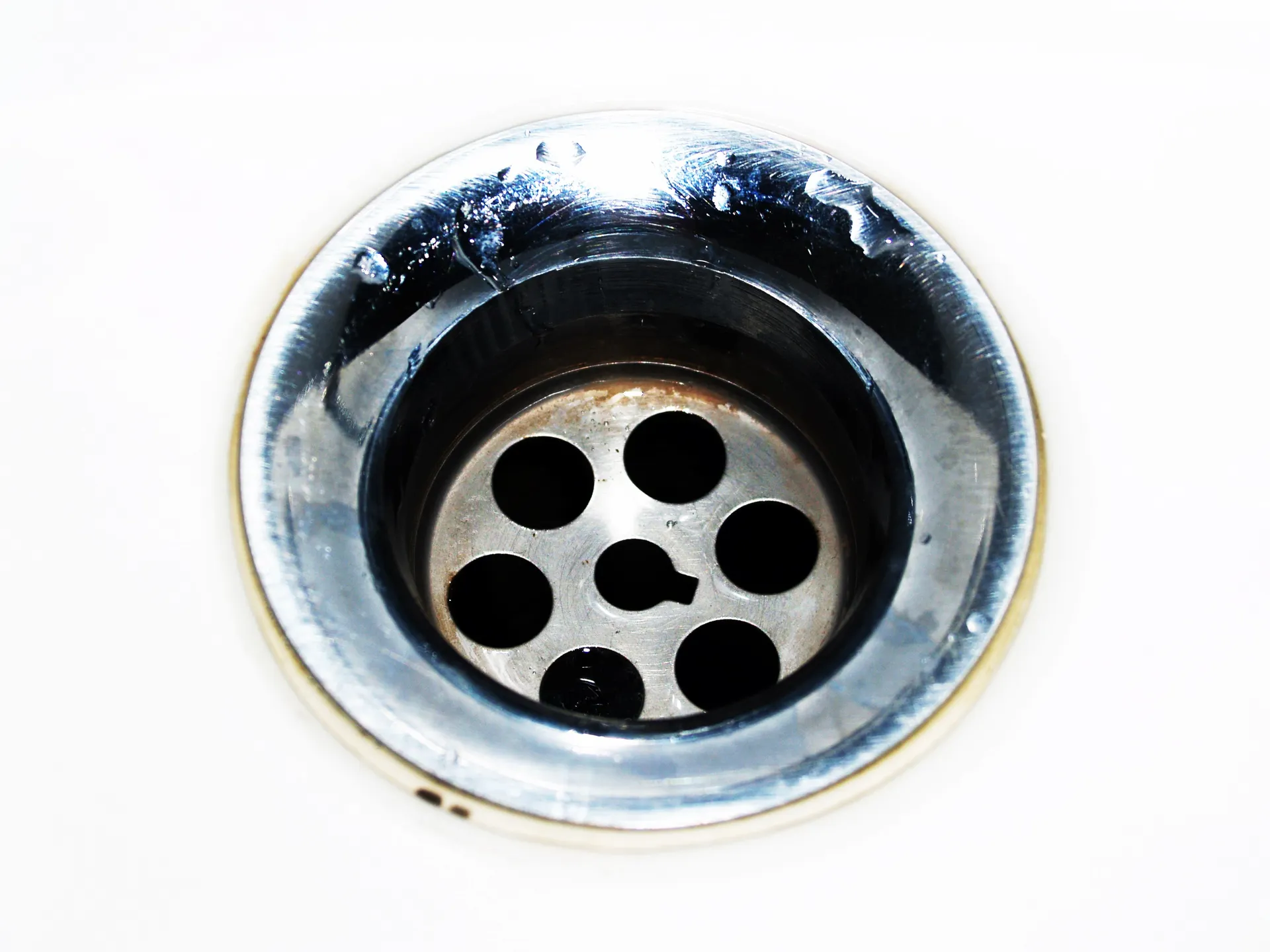
Drain Cleaning in Irving, TX
Emergency Plumber Irving clears clogs caused by grease, tree roots, and mineral scale. Across Irving, Las Colinas, Valley Ranch, and Coppell, the drain cleaning pattern holds: kitchen lines back up from grease, older branch and sewer lines fail from root intrusion, and fixtures slow from scale. Call (469) 599-2691 and the plumbers we coordinate with figure out which one is happening before recommending a fix.
The key distinction is hydro-jetting vs. cabling. A cable — or snake — bores a channel through a clog and pulls debris back, the right first move for most single-fixture blockages. Hydro-jetting instead blasts the pipe's full interior with high-pressure water, stripping grease and scale off the wall instead of punching through the middle — the tool of choice once cabling stops holding.
The second distinction is main-line vs. branch clogs. A branch clog affects one fixture — a slow tub or sluggish sink — while a main-line clog backs up multiple fixtures at once, the classic sign being a toilet flush that makes the bathtub gurgle. Getting that call wrong wastes a visit, so a camera inspection settles it first, confirming whether the blockage sits near a fixture trap or deep in the sewer lateral.
None of that is guesswork. The plumbers we coordinate with work to the plumbing code the City of Irving enforces, with a written scope before anything gets cabled or jetted. A drain that keeps coming back usually means the real cause was never addressed.
What We Do
Cabling, Hydro-Jetting & Camera Diagnosis in Irving
Three tools, three jobs — here's how we decide which one your drain needs.
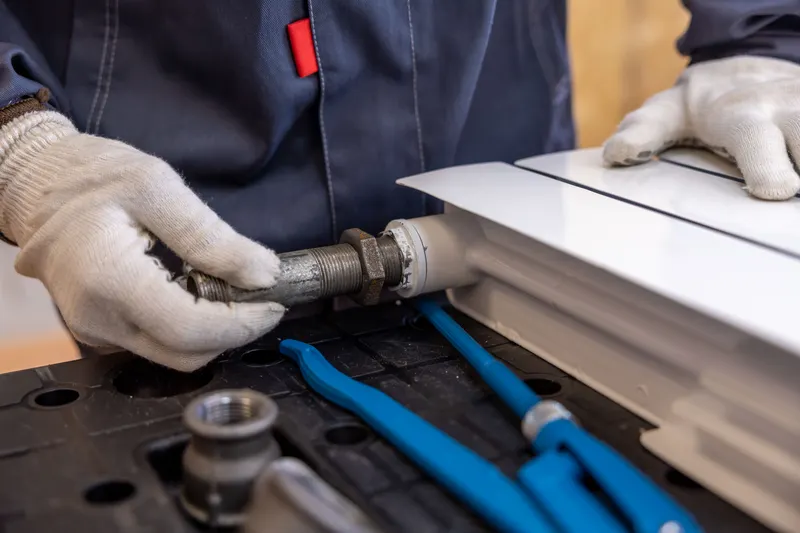
Cabling & Augering for Everyday Clogs
A motorized cable cuts through hair, grease, and soap buildup, clearing most single-fixture clogs in 30 to 90 minutes at $150 to $500. It's our default first move on a kitchen or bathroom drain — fast, inexpensive, and enough for most Irving calls.
Cabling falls short on heavy grease or root intrusion, punching only a temporary channel through either before the blockage returns within weeks.
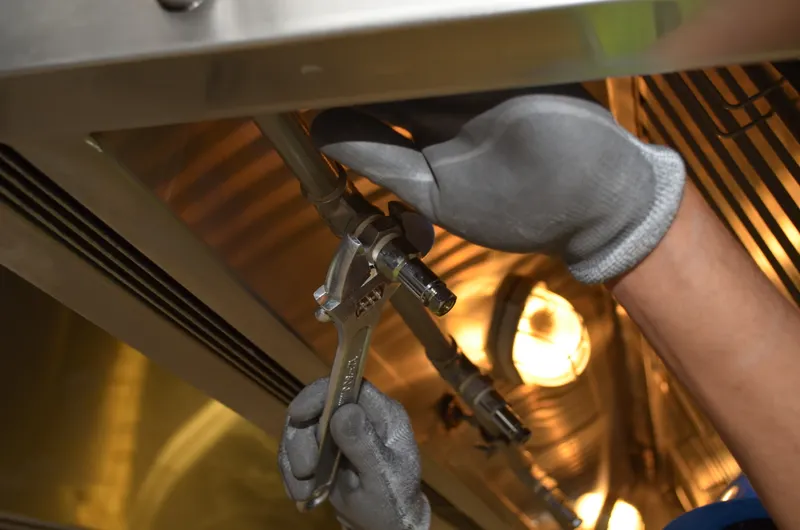
Hydro-Jetting for Grease, Scale & Roots
Hydro-jetting runs 1 to 3 hours at $350 to $1,000, using high-pressure water to strip the pipe wall clean instead of boring through the blockage. It clears heavy kitchen grease, scale narrowing an old branch line, or a root mass worked into a cast-iron or clay joint.
We step up to jetting once cabling keeps failing, or a camera shows buildup cabling alone won't remove.
Camera Inspection Before We Recommend Either
A waterproof camera run down the line in 30 to 60 minutes shows exactly what's inside — grease, scale, a root mass, or a bellied section holding standing water — instead of guessing from symptoms alone. That's how we tell a branch clog apart from a lateral problem that belongs on our sewer line repair page.
We run a camera on any drain clogged more than once, since a repeat clog usually means the first visit treated the symptom, not the cause.
The Benefits
Main-Line vs. Branch Clogs: Why the Diagnosis Comes First
The same symptom — a slow drain — can mean a five-minute fix or a sewer lateral problem, and guessing wrong wastes a visit.
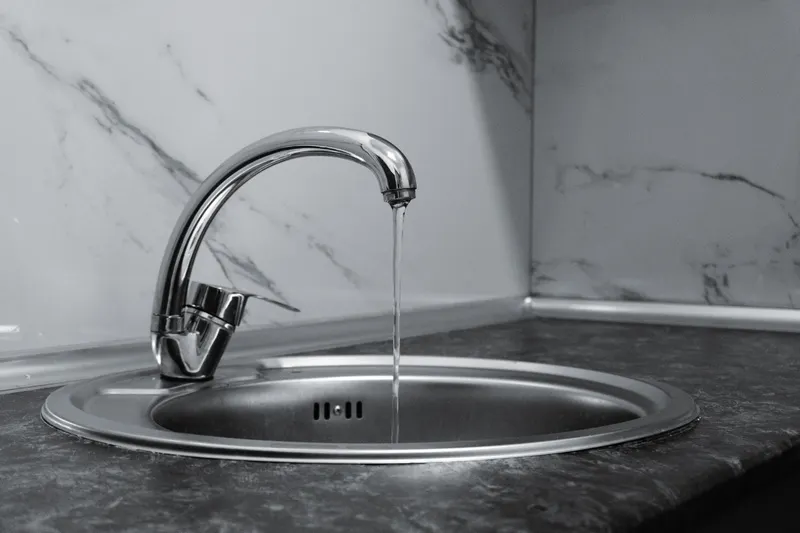
One Fixture Slow vs. Several Backing Up at Once
A single kitchen sink or tub draining slowly while everything else works fine points to a branch clog near that fixture's trap — cabling clears it in 30 to 90 minutes. A toilet flush that makes the bathtub gurgle, or a washer cycle backing up a floor drain, points instead to the main line, running 1 to 2 hours and usually costing more.
We ask which pattern you're seeing before dispatch, since it changes the equipment on the truck.
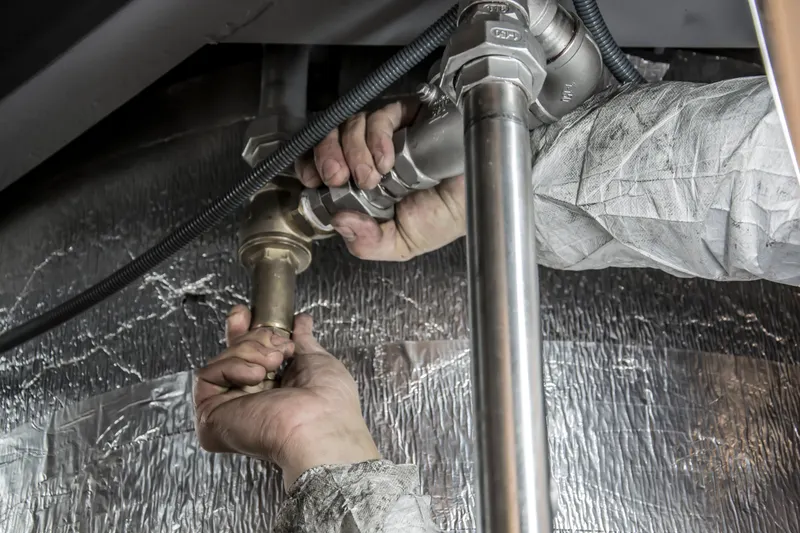
Older Cast-Iron and Clay Laterals Fail Differently Than PVC
Irving's housing stock spans 1970s-80s original construction through 2000s-2010s build-out, so a sewer lateral under an older Las Colinas or Coppell lot is more likely to be cast iron or clay tile than newer PVC. Those older materials develop joint gaps as the ground shifts — exactly where a root gets in or a section bellies and holds standing water.
A cable clears the immediate blockage, but a separating joint needs more than repeat cabling.
Irving's Surface Water Supply and Mineral Buildup
Irving draws its municipal water from surface reservoirs rather than groundwater wells, and mineral content in that supply coats the inside of older galvanized and cast-iron branch lines over years of use, the same way it lines a kettle element. That buildup narrows the pipe's usable diameter until ordinary daily use triggers a backup.
A camera inspection distinguishes scale from a grease clog or root mass, since each calls for a different fix.
Good to Know
What's Actually Clogging Drains Across Irving
Three causes account for nearly every clog we clear in Irving, Las Colinas, and Coppell — and each needs a different fix.
Grease, Food & Soap — the Everyday Clog
- Cooking grease that solidifies as it cools inside kitchen branch lines
- Coffee grounds and food particles that pass a disposal but not the pipe bend
- Hair and soap scum forming a sticky mass in bathroom drains
- Buildup that responds well to routine cabling — no need to jump to jetting
- Heavy-grease kitchens that benefit from an annual hydro-jet instead of repeat cable visits
Tree-Root Intrusion in Older Sewer Laterals
- Mature trees along older Las Colinas Country Club-area and Coppell streets seeking moisture
- A hairline gap at a cast-iron or clay pipe joint is all a root needs
- Roots growing into a mesh that catches paper and grease until it backs up completely
- A camera inspection confirming intrusion rather than guessing from a slow drain alone
- Root-rated cabling for light intrusion; a damaged joint referred to sewer line repair
Why Us
Why Irving Homeowners Choose Us for Drain Cleaning
Matching the tool to the clog, and pulling a camera when one keeps coming back, is how the diagnosis lands on the first visit instead of the third.
We Cable First, Jet Second — Never the Reverse
Some companies push hydro-jetting on every call because it bills higher — we don't. If cabling will genuinely clear your line, that's what gets quoted; jetting only comes up once a camera or repeat clog shows it's needed, a big reason the same address rarely calls back within the year.
Working to Irving's Adopted Code
Every plumber we coordinate with works to the code Irving's Building Inspections Department enforces across Irving, Las Colinas, and Valley Ranch. Coppell runs its own Building Inspections Department, and floodplain-corridor work is checked against that city's permit rules.
We Read the Neighborhood Before We Read the Pipe
A slow drain near mature trees on an older Las Colinas or Coppell street gets treated as a likely root-intrusion candidate from the first call; a newer PVC subdivision almost never does. Factoring in a block's age and tree cover before quoting camera work saves paying for an inspection the clog doesn't need.
If a camera inspection turns up more than a routine clog — a damaged joint, a collapsed section, or root intrusion — sewer line repair covers the fix from there. Older, tree-lined streets around the Las Colinas Country Club area see this pattern more than newer Irving sections, which is why we camera-inspect before recommending anything beyond standard cabling. For the full list of what we coordinate across Irving, Las Colinas, Valley Ranch, and Coppell, see our services — the same Emergency Plumber Irving team behind every drain call on this page.
Frequently Asked Questions
What's the actual difference between cabling and hydro-jetting?
Cabling — snaking or augering — uses a motorized cable with a cutting head to bore through a clog and pull debris back out, clearing most single-fixture blockages in 30 to 90 minutes at $150 to $500. Hydro-jetting blasts high-pressure water through the whole pipe interior, scouring off grease and scale instead of just cutting a channel, and runs 1 to 3 hours at $350 to $1,000. Cabling is usually our first move because it's faster and cheaper; we step up to jetting once a line keeps re-clogging or a camera shows buildup a cable won't remove.
How much does drain cleaning cost in Irving?
A standard single-fixture drain cleaning typically runs $150 to $500 depending on access and how stubborn the clog is, while hydro-jetting for grease, scale, or root buildup runs $350 to $1,000 for the extra equipment and time involved. Main-line work sits toward the higher end since it usually takes 1 to 2 hours rather than the 30 to 90 minutes a branch clog needs. We quote a fixed price before starting, once symptoms or a camera tell us whether cabling will do the job or the line needs jetting.
Why do so many Irving-area drain clogs turn out to be tree roots?
Irving, Las Colinas, and Coppell carry housing stock from 1970s-80s original construction through newer build-out, and older sections often still run cast-iron or clay sewer laterals rather than modern PVC Schedule 40. Mature trees along established streets — the Las Colinas Country Club area and Old Town Coppell in particular — send roots toward any available moisture, and a hairline joint gap is all they need. Once in, roots grow into a mesh that catches paper and grease until the line backs up completely. We confirm root intrusion with a camera, then clear it with root-rated cabling or refer it to sewer line repair if the joint is compromised.
How can I tell if my clog is a single fixture or a main-line problem?
The clearest sign is whether more than one fixture is affected at once — a toilet flush that makes the bathtub gurgle, or a washing machine that backs up a floor drain, points to the main line. A single slow sink or tub that drains fine everywhere else is usually a localized branch clog near that fixture's trap, the kind cabling clears in well under two hours. Multi-fixture backups should be called in as urgent rather than worked around with more chemical drain cleaner, since they almost always need a camera inspection before any method gets recommended.
Is hydro-jetting safe on the older cast-iron and clay lines common in Las Colinas and Coppell?
The real risk isn't the method itself — it's running full pressure through a joint that's already compromised, which matters more on Irving's older cast-iron and clay laterals than on newer PVC. On lines from the 1970s-80s build-out, we dial the pressure down and camera-inspect first rather than jetting blind. If the camera shows a joint already separating or a wall thinned by decades of use, we skip jetting and talk through repair options on our sewer line repair page instead. Cabling stays the safer default on any line we haven't inspected yet.
Do I need a permit for drain or sewer line work in Irving or Coppell?
Routine drain cleaning — cabling or hydro-jetting an existing line — doesn't require a permit anywhere in the service area, since nothing about the pipe's structure changes. Replacing a section of sewer lateral runs through the City of Irving's Building Inspections Department under the plumbing code Irving has adopted for Irving, Las Colinas, and Valley Ranch. Coppell is its own incorporated city with a separate Building Inspections Department, and line work touching the Denton Creek, Grapevine Creek, or Cottonwood Creek corridors additionally needs a floodplain permit from Coppell's Engineering Department.
Does Irving's clay soil actually affect drain clogs, or is that just a slab-leak thing?
Expansive clay is best known locally for slab leaks, but the same seasonal soil movement affects sewer laterals too — as clay swells and contracts through wet periods and North Texas's hot, dry summers, it can shift an older cast-iron or clay pipe enough to open a joint gap or create a bellied section holding standing water. Neither problem shows up as a leak; both show up as a drain that clogs repeatedly in the same spot no matter how many times it's cabled. A camera inspection is what separates ordinary grease buildup from a structural issue the clay soil is causing underground.
What does a sewer camera inspection actually find?
A waterproof camera run down the line in 30 to 60 minutes shows the pipe's actual interior condition — grease coating, mineral scale, a root mass at a joint, or a bellied section holding standing water — rather than us guessing from symptoms at the fixture. It tells us whether cabling will hold, whether the line needs hydro-jetting, or whether the problem belongs on our sewer line repair page instead of another cleaning visit. We recommend it any time a drain has clogged more than once, and it typically adds $150 to $500 to a service call.
How often should drains be professionally cleaned as maintenance?
Most Irving-area homes do fine with professional drain cleaning every 12 to 24 months as preventive maintenance, though kitchens with heavy grease use and homes running original cast-iron or galvanized branch lines often benefit from annual service. If the same drain has needed attention more than once in a year, that's usually a sign the line needs hydro-jetting or a camera inspection rather than another routine cable pass. Older, tree-heavy sections of Las Colinas and Coppell sometimes need root-focused maintenance on a shorter interval than a newer PVC subdivision.
Is Irving's water hard enough to cause mineral scale buildup in pipes?
Irving draws its municipal supply from surface water reservoirs rather than groundwater wells, and mineral content in that supply still coats the inside of older galvanized and cast-iron branch lines over years of use, the same way it lines a kettle element. That buildup narrows the pipe's usable diameter gradually, which is why a fixture clogged for no obvious reason — no grease, no visible root, nothing unusual in daily use — is often a scale problem rather than a debris clog. A camera inspection distinguishes scale from grease or roots in the same 30-to-60-minute visit.
Get Your Drain Cleared Today
Cabling, hydro-jetting, and camera inspection — call (469) 599-2691, around the clock.
(469) 599-2691