Emergency Plumbing · Irving, TX
Slab Leak Detection & Repair in Irving, TX
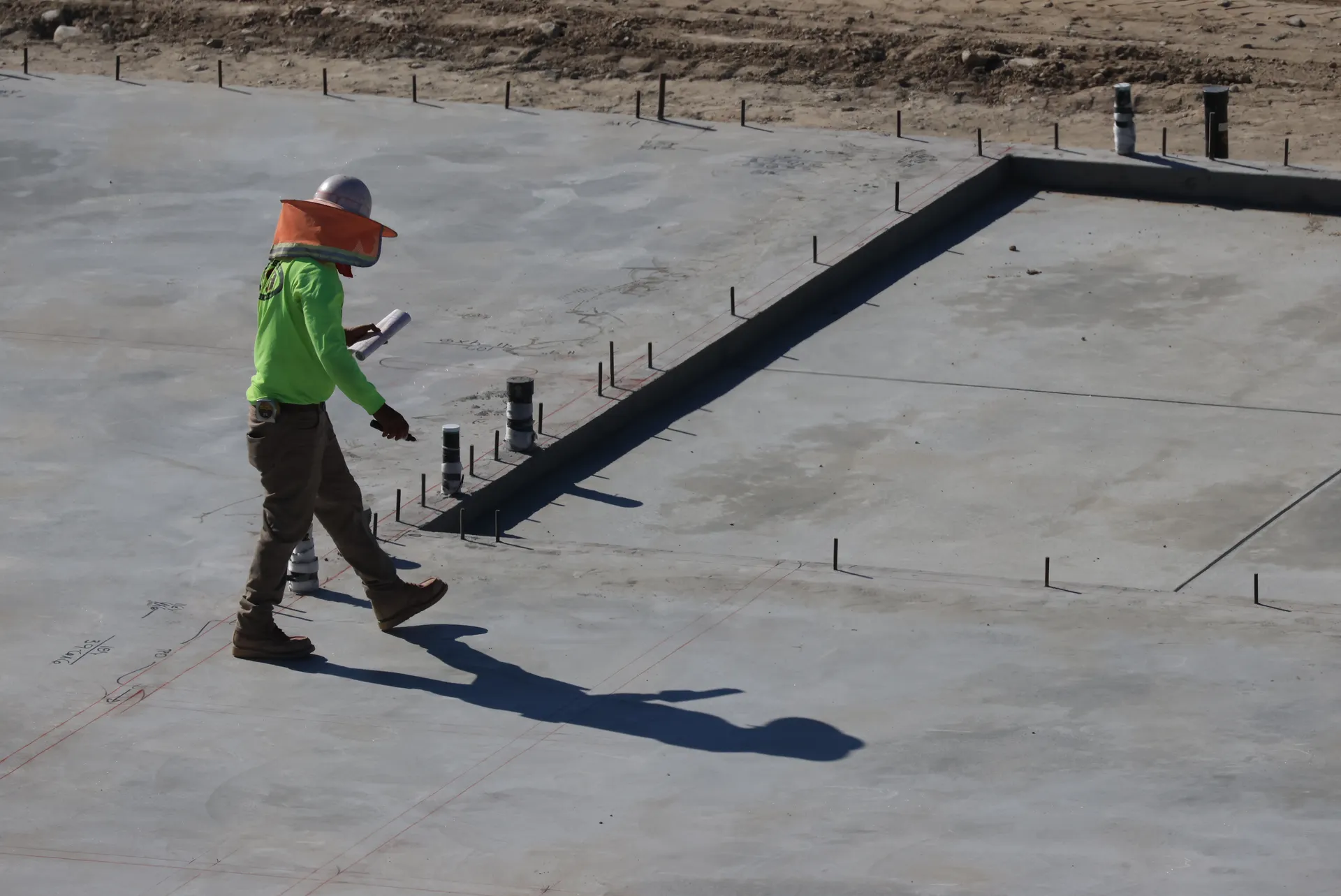
**Emergency Plumber Irving** takes the call for the leak nobody can see until the water bill jumps or a patch of tile floor turns warm underfoot. We run slab leak detection, slab leak repair, targeted spot repair through the concrete, and full reroute / overhead re-pipe work on hot- and cold-side lines alike — handling everything from the first electronic listening pass through the pressure test that confirms the fix holds.
Almost every home standing between Las Colinas and Coppell sits on the Eagle Ford Shale / Austin Chalk expansive-clay belt that underlies most of Dallas County, clay with a plasticity index commonly measured at 40 to 60 or higher. That clay swells during North Texas's wet spells and contracts hard through the summer, and because the overwhelming majority of Irving construction is slab-on-grade, the copper and cast-iron lines poured directly into that concrete move with the ground instead of staying still. A small leak saturates the clay beneath it, the soil swells unevenly, and the slab itself starts to crack.
Most slab leak repairs run one to three days depending on whether the fix is a targeted spot repair or a full overhead reroute, and every job gets a fixed, written quote before a single square foot of slab comes up. The plumbers we coordinate with pressure-test every repaired line before calling the job finished.
When Irving homeowners choose us for slab leak work, the call lands on the same 24/7 emergency plumbing line, and the focus is finding the exact point a line failed under the concrete, so the repair opens the smallest section of slab possible and closes out a water bill that's been climbing for months.
What We Do
Our Slab Leak Repair Services in Irving, TX
Finding and fixing a leak under a North Texas slab takes the right instrument for the symptom, then the right repair method for the line — whether that's a precise spot repair or routing a new line entirely above the concrete.

Electronic & Acoustic Slab Leak Detection
Electronic and acoustic leak detection equipment listens for the specific sound of pressurized water escaping through concrete, then narrows that sound to a location instead of guessing where to start cutting. A full detection survey typically runs $150 to $600 and takes one to two hours, and it happens before any concrete comes up, not after.
Isolating sections of the plumbing and watching pressure drop tells us which zone the leak sits in before equipment even leaves the truck — often the fastest way to separate a hot-side line from a cold-side one on a whole-slab mystery leak.
Spot Repair — Targeted Slab Access
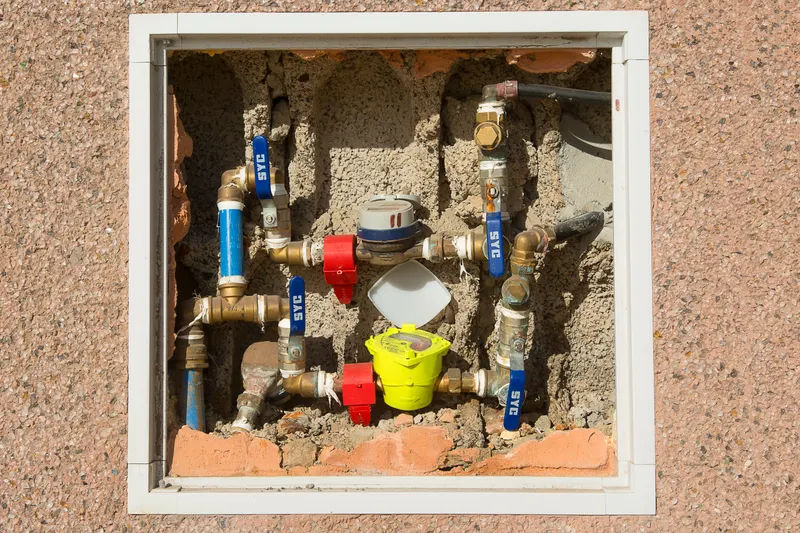
Once the leak's location is pinpointed to a specific few inches, a spot repair opens the smallest possible section of concrete, replaces or patches that length of pipe, and closes the slab back up. It's the faster, less invasive option when the rest of the line is sound and clay-cycling damage hasn't spread further.
Spot repairs on an accessible line typically finish inside a single day, and every repair gets pressure-tested against normal house pressure before the crew leaves — no repair called done on an eye test alone.
Reroute & Overhead Re-Pipe
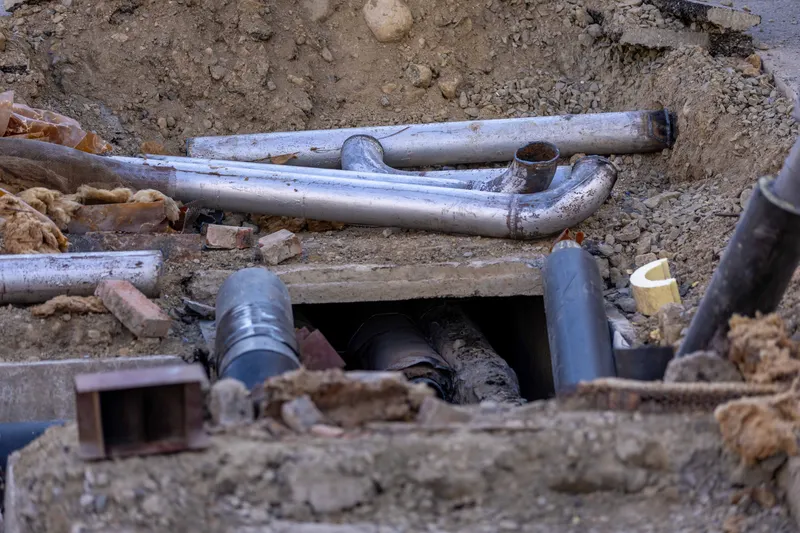
When a line has already failed more than once, or the slab access a spot repair would need costs more than starting fresh, rerouting the line above the slab — through the attic or exterior walls — bypasses the concrete and the clay movement underneath it entirely. It's a PEX run replacing what used to travel under the foundation.
A full reroute typically takes closer to two to three days depending on the home's layout, but it means that specific run of pipe never has to fight North Texas clay again.
The Benefits
Slab Leak Repair Benefits
A slab leak caught early is a contained repair. Left alone against Irving's expansive clay, it's a spreading crack, a warped floor, and a foundation problem stacked on top of the original plumbing failure.
Protects the Foundation From Further Clay Movement
Sustained moisture from an unaddressed slab leak saturates the clay directly beneath the foundation, and clay with a plasticity index of 40 to 60 or higher doesn't just get wet — it swells unevenly and pushes against the slab from below. Finding the exact failure point with electronic and acoustic equipment means the repair targets one section of pipe instead of guessing across an entire foundation, which is what keeps a plumbing repair from turning into a structural one.
Stops a Water Bill That Doesn't Add Up
EPA WaterSense estimates the average household wastes roughly 9,400 gallons a year to leaks that go unaddressed, and a slab leak running continuously under a foundation is often the single largest contributor once it starts. About 10 percent of homes have a leak severe enough to waste 90 gallons or more a day with no visible sign beyond the bill. Fixing it typically brings that portion of the water bill back down within the next billing cycle.
A Fixed Quote Before Any Concrete Comes Up
The quote presented after detection reflects the exact leak found and the repair method it actually needs — spot repair or reroute — not a worst-case number quoted before anyone's looked. If a hot-side line turns out to be a single pinhole rather than a longer run of failing copper, the price reflects that smaller job. Every repair also carries a written workmanship warranty, not a verbal promise that's hard to collect on months later.
Why Us
Why Choose Us for Slab Leak Repair
Finding a leak under a slab and repairing it right takes real equipment, methodical tracing, and patience — all three are standard here.
Located Before the Slab Is Opened
Texas law requires any company performing this kind of work to operate under a Responsible Master Plumber, and the work is held to Uniform Plumbing Code standards. Locating the leak precisely is what stands behind a repair method recommendation instead of a guess, and it is what keeps the opening in the slab as small as possible.
Reading Irving's Clay-Belt Housing Stock by Era
Homes across Las Colinas, Valley Ranch, and Coppell span roughly four decades of North Texas construction, and the pipe behind the slab changes with the era, from original copper or cast-iron in the 1970s-80s builds to later runs. Knowing which era of line is due for clay-cycling trouble, and roughly where it runs, shortens a detection visit before the equipment even comes out of the truck.
One Fixed Price, Confirmed Before We Cut
The price confirmed after detection is the number on the final invoice, whether the repair finishes in one day or three. If the scope changes once concrete is open — a longer run of failing pipe than expected, for instance — that's agreed with you first, never billed as a surprise once the job's already done.
If the leak turns out to be an active burst instead of a slow slab drip, see how our emergency plumbing line handles a same-hour dispatch. Las Colinas' mix of 1970s-80s slab-on-grade construction and newer builds sits on this same expansive-clay belt — see emergency plumber in Las Colinas for what slab leak calls look like there specifically. For the full list of what we coordinate across Irving, see our services.
Frequently Asked Questions
What actually causes a slab leak in an Irving home?
Irving sits on the Eagle Ford Shale and Austin Chalk expansive-clay belt that underlies most of Dallas County, with a plasticity index commonly measured at 40 to 60 or higher. That clay swells during wet periods and contracts through North Texas's hot, dry summers, and because most Irving homes are built slab-on-grade, the copper and cast-iron lines poured into the concrete move with the ground instead of staying still. Years of that cycling abrade and eventually crack a line at a joint or stress point — the leak that follows is what everyone calls a slab leak. It's less a single bad pipe than a foundation-wide pattern showing up first at its weakest point.
What are the warning signs of a slab leak?
The most common first sign is a water bill that jumps with no change in household usage, followed by a warm spot on an otherwise normal section of flooring, which usually points to a hot-side line leaking under the slab. The sound of running water when every fixture in the house is off is another clear signal, along with new hairline cracks in flooring or drywall near the foundation line. A damp or musty smell that won't clear is worth checking too. Any one of these alone is worth a call; two or more together usually means a leak is already established.
How much does slab leak repair cost in Irving?
Slab leak repair typically runs $2,000 to $6,000 or more, depending on whether the fix is a targeted spot repair or a full reroute above the slab. A single accessible spot repair sits toward the lower end of that range, while a longer overhead re-pipe covering multiple fixtures runs closer to the top. Electronic or acoustic leak detection to find the leak first typically costs $150 to $600, and that cost is usually credited toward the repair if you move forward the same visit. You get a fixed, written quote based on the leak actually found, not a phone estimate.
Does homeowners insurance cover slab leak repair?
Sudden, accidental water damage from a slab leak is often covered by a standard homeowners policy, though coverage for the detection survey and the repair itself varies by carrier, and many policies draw a line between damage the leak caused and the cost of fixing the pipe. Gradual damage from a leak left unaddressed for months is more likely to be excluded than one that surfaced quickly. We provide a written invoice and, where relevant, detection-survey documentation that most adjusters ask for when a claim is filed. It's worth calling your carrier directly once a leak is confirmed.
How do you find a slab leak without breaking up my whole floor?
Electronic and acoustic leak detection equipment listens for the specific sound of pressurized water escaping through concrete, narrowing the leak's location to a small area rather than an entire room. A full survey typically takes one to two hours and happens before any concrete comes up, which keeps the eventual repair to one targeted opening instead of exploratory holes. Isolating sections of the plumbing and watching pressure drop is often the fastest first step, showing which zone the leak is in before equipment leaves the truck. Hot- and cold-side lines sometimes need slightly different listening approaches.
What's the difference between spot repair and a full reroute?
A spot repair opens the smallest possible section of slab directly over the pinpointed leak, replaces or patches that length of pipe, and closes the concrete back up — the faster option when the rest of the line is sound. A reroute, or overhead re-pipe, runs a new PEX line above the slab through the attic or exterior walls instead, bypassing the damaged section and the clay movement underneath it entirely. Reroutes make more sense when a line has already failed more than once, or when jackhammering to reach it would cost more than running a new line above ground. Spot repairs typically finish in a day; reroutes take two to three.
How long does slab leak repair actually take?
Most slab leak repairs run one to three days total, measured from detection through the final pressure test. A single accessible spot repair often finishes within a single day, including cutting the access point, replacing the line, and closing the concrete. A full reroute above the slab, or a repair involving multiple failed sections, runs closer to two to three days. Every job gets pressure-tested against normal house pressure before the crew calls it finished, confirming the fix holds before anyone's walking on a patched floor.
Is a slab leak under a hot-water line different from one under a cold line?
Yes — a hot-side slab leak often shows up as a warm spot on the floor because the escaping water carries heat with it, one of the clearer early signs homeowners actually notice. A cold-side leak rarely produces that temperature signal, so it's usually caught later through a rising water bill or the sound of running water rather than a warm patch underfoot. Both are found the same way, acoustically, but a technician reads the two situations differently walking in. Hot-line leaks also tend to accelerate pinhole corrosion faster in aging copper, since heat cycling adds to the clay-movement stress already on the line.
Can a pier-and-beam home have a slab leak?
Not in the same way — a true slab leak specifically describes a line failing under a poured concrete slab-on-grade foundation, and a pier-and-beam home's plumbing runs through an open crawlspace instead, so there's no slab to leak under. Older pier-and-beam construction in the area has its own failure pattern: exposed lines in an unconditioned crawlspace corrode and fail differently than a line encased in concrete, and a leak there is usually easier to spot and access than one buried under a foundation. Confirming which foundation type your home has is one of the first things we check, since it changes the detection and repair approach.
Did Winter Storm Uri make slab leaks worse across Irving?
Winter Storm Uri in February 2021 drove more than 500,000 insurance claims and roughly $10.3 billion in losses across Texas, with about 85 percent tied to property damage like burst pipes rather than a slab leak specifically. The freeze itself mostly hit exposed and above-ground lines, not ones already sealed under a slab, but the extreme freeze-thaw cycle that week added one more round of stress to a foundation already moving with North Texas's clay. Homes with copper or cast-iron lines original to 1970s-80s construction saw both kinds of failures in the weeks after — burst exposed lines and slab leaks that had been building for years finally showing themselves.
Get Your Slab Leak Repair Quote
Electronic detection, a fixed quote, and a repair that survives North Texas clay. Call (469) 599-2691, 24/7.
(469) 599-2691